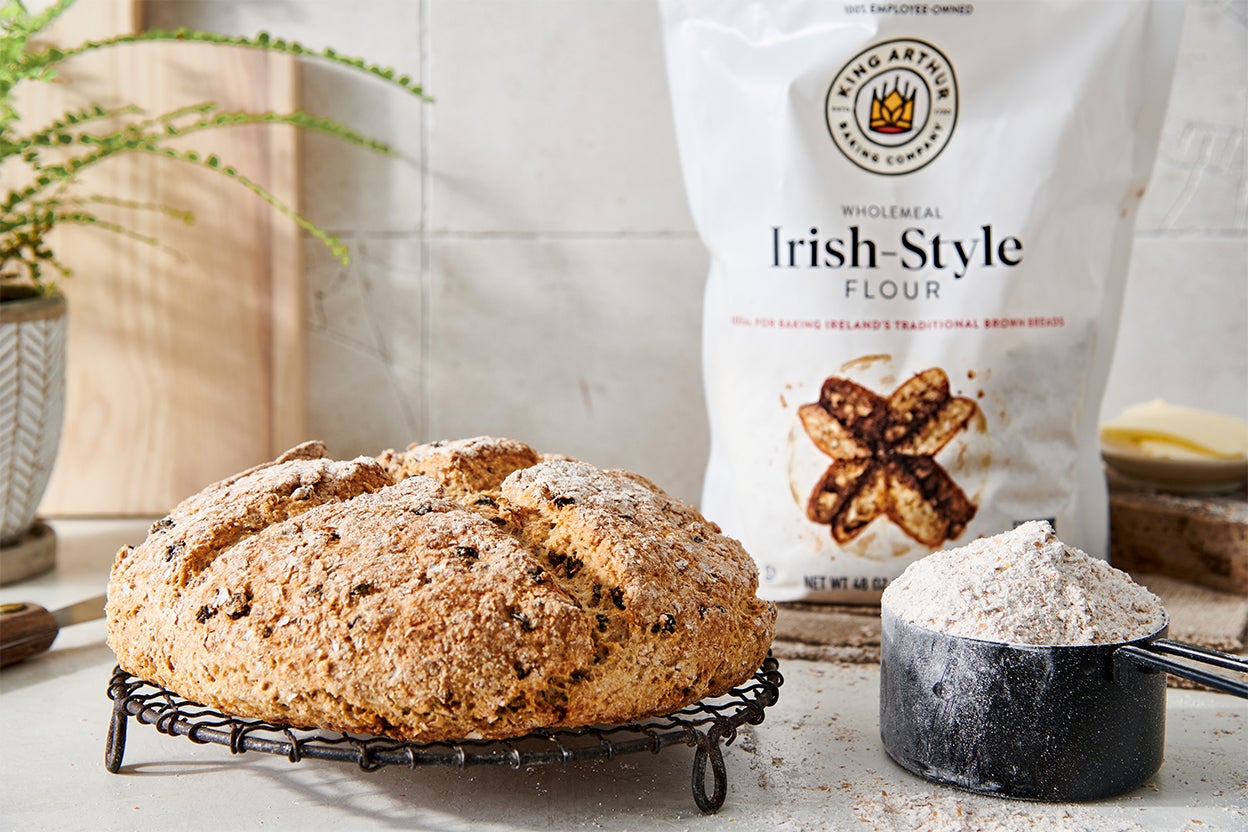
Bake Irish Soda Bread in 10 Mins: The Easiest No-Knead Recipe
Imagine whipping up a warm, rustic loaf of homemade bread in just 10 minutes of active prep time, then simply letting your oven do the rest. Sound too good to be true? Not when you're making Irish Soda Bread! This isn't just any bread; it's a testament to simple, delicious baking that has graced tables for generations. Perfect for St. Patrick's Day celebrations, Sunday brunch, or simply an impromptu craving, our irish soda bread recipe is your new go-to for incredibly easy, no-knead goodness. Forget complex yeast starters, multiple rises, and endless kneading. This traditional Irish delight relies on the magic of baking soda and buttermilk to create a tender crumb and a satisfyingly crusty exterior without any fuss. Whether you're a seasoned baker or someone who's never dared to venture beyond toast, this foolproof method promises success. Get ready to experience the joy of fresh, homemade bread that tastes like it came straight from a cozy Irish kitchen – all with minimal effort.Why Irish Soda Bread Deserves a Spot in Your Kitchen
There’s a reason this humble loaf has stood the test of time, cherished in Irish households and beyond. While many associate it primarily with St. Patrick’s Day, its appeal stretches far beyond a single holiday. Here’s why this particular irish soda bread recipe is an absolute game-changer:- Lightning Fast Prep (Seriously, 10 Minutes!): In a world where time is a luxury, this recipe shines. You can have the dough mixed and ready for the oven in about the same time it takes to brew a cup of tea. It’s the ultimate solution for when you crave homemade warmth but don't have hours to spare.
- No Yeast, No Knead, No Stress: This is the beauty of soda bread. Instead of yeast, baking soda and buttermilk react to provide the lift, making it incredibly quick. You won't spend a second kneading, which means less mess and zero worries about proofing times. It's truly a "mix and bake" marvel.
- Foolproof for Beginners: If you're new to baking, consider this your gateway drug to homemade bread. The techniques are straightforward, making it almost impossible to mess up. You’ll feel like a professional baker after pulling your first golden loaf from the oven.
- Simply Delicious & Comforting: The taste of traditional Irish soda bread is uniquely satisfying. It's rustic, slightly tangy from the buttermilk, and can be subtly sweet if you add a handful of raisins or currants. It’s perfect served warm with a slab of butter, alongside a hearty soup or stew, or even toasted with jam. Its plain, honest flavor is a versatile companion to almost any meal.
- A Taste of Tradition: This bread carries with it a rich heritage. Passed down through generations, often from grandmothers who knew the value of simple, nourishing food, each loaf is a connection to history and heartwarming memories. For a truly authentic and slightly sweeter take, check out Grandma's Foolproof Irish Soda Bread: Easy & Fast with Raisins.
The Essential 4 Ingredients: Simplicity Defined
At its heart, a classic irish soda bread recipe boasts an incredibly short ingredient list. While variations exist, the foundational recipe often requires just four pantry staples. These humble components work together harmoniously to create something truly special.Here’s a breakdown of what you’ll need and why each ingredient is crucial:
- All-Purpose Flour: This forms the structure of your bread. While some recipes use whole wheat for a darker, denser "brown bread," standard all-purpose flour gives you that classic tender, white crumb. Remember, we’re aiming for a rustic loaf, so a simple, good quality flour is all that’s required.
- Baking Soda: The star of the show, earning the bread its name! Baking soda is a leavening agent that reacts with the acidity in buttermilk to produce carbon dioxide gas. These bubbles cause the bread to rise quickly in the oven. It's vital to ensure your baking soda is fresh and active – if in doubt, drop a pinch into some vinegar; if it fizzes, it's good to go!
- Buttermilk: The tangy, creamy liquid that not only activates the baking soda but also contributes significantly to the bread's flavor and tender texture. The acidity is key for the chemical reaction. If you don't have buttermilk on hand, don't worry! You can easily make a substitute by adding 1 tablespoon of white vinegar or lemon juice to a measuring cup, then filling the rest with regular milk (any fat percentage) to the 1 cup line. Let it sit for 5-10 minutes until it slightly curdles.
- Salt: A small but mighty ingredient, salt enhances all the other flavors in the bread and helps to balance the tanginess of the buttermilk. Don't skip it!
-
Optional Additions: While the 4-ingredient version is wonderfully pure, many love to customize.
- Raisins or Currants: As Grandma used to say, "you *never*, ever skip the raisins!" They add a touch of sweetness and moisture that makes the bread even more delightful.
- A Touch of Sugar: A tablespoon or two can soften the tang and create a slightly sweeter loaf, appealing to those who prefer a less savory bread.
- Caraway Seeds: For a subtle anise flavor and aromatic touch, often found in traditional Irish recipes.
Baking Your Foolproof Irish Soda Bread in 10 Minutes (Hands-On Time)
Ready to get baking? Here's how to whip up your magnificent loaf with minimal fuss. Remember, the key is not to overwork the dough!Step-by-Step Instructions:
- Preheat & Prep: Preheat your oven to 400°F (200°C). Lightly dust a baking sheet with flour or line it with parchment paper. This prevents sticking and helps form a nice crust.
- Combine Dry Ingredients: In a large mixing bowl, whisk together the flour, baking soda, and salt. If you’re adding sugar, raisins, or caraway seeds, stir them in now, ensuring they're evenly distributed.
- Add Wet Ingredients: Make a well in the center of your dry ingredients. Pour in the buttermilk.
- Mix Gently: Using a wooden spoon or your hands, gently mix the ingredients, bringing them together from the sides of the bowl. Mix just until the flour is moistened and a shaggy dough forms. Do not overmix! Overmixing will develop the gluten too much, resulting in a tough, dense bread instead of a tender one. The dough will be sticky, and that’s perfectly normal.
- Shape the Loaf: Turn the dough out onto your lightly floured surface. With floured hands, gently form the dough into a round, slightly flattened loaf, about 1 ½ to 2 inches thick. Resist the urge to knead.
- Score the Top: Transfer the loaf to your prepared baking sheet. Using a sharp knife, cut a deep cross (about ½ inch deep) into the top of the bread. This isn't just for tradition; it helps the bread bake evenly and allows steam to escape, contributing to that lovely crust. Some old wives' tales even say it lets the "faeries" out!
- Bake: Bake for 40-50 minutes, or until the crust is golden brown and the bread sounds hollow when tapped on the bottom. The exact timing can vary with ovens, so keep an eye on it!
- Cool: Transfer the baked loaf to a wire rack to cool completely. While it's tempting to cut into it immediately, letting it cool allows the internal structure to set, preventing a "gummy" texture.
Tips for the Perfect Loaf Every Time
Achieving soda bread perfection is surprisingly simple, but a few pointers can elevate your baking experience:- Hands-Off Approach: The biggest secret to tender soda bread is minimal handling. Mix just until combined, and shape gently. Think of it as coaxing the ingredients together rather than wrestling them.
- Check Your Baking Soda: A fresh box of baking soda is paramount. If it’s old, your bread won’t rise properly. It's a cheap ingredient, so replace it often!
- Room Temperature Buttermilk: While not strictly necessary, using room temperature buttermilk can sometimes lead to a slightly better texture as it integrates more smoothly with the dry ingredients.
- Don’t Be Afraid of the Cross: Make that cut deep enough! It's functional as well as traditional.
- Serve Warm, Store Wisely: Irish soda bread is best enjoyed fresh and slightly warm, ideally within a day or two of baking. Store any leftovers in an airtight container at room temperature. It also toasts beautifully the next day!
- Pairing Perfection: Enjoy your warm soda bread with generous slatherings of butter and jam, alongside a hearty Irish stew, or dipped into a steaming bowl of soup. It's also fantastic with a slice of sharp cheddar cheese.
